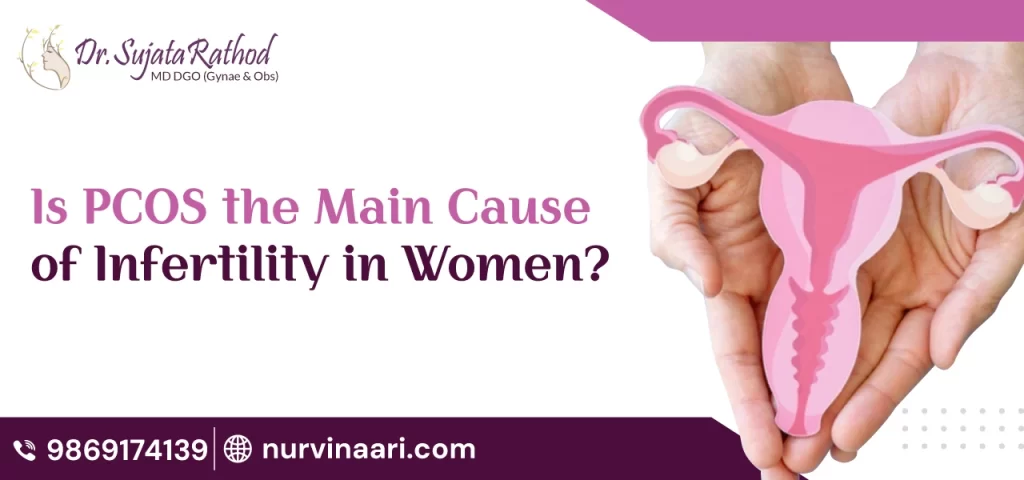
PCOS or Polycystic Ovary Syndrome is a common hormonal condition that many women in their reproductive age struggle with. It can cause a range of symptoms, one of which is infertility. Many women with PCOS do not know they have PCOS until they consult a gynecologist in Thane when facing difficulty getting pregnant. This leads to the question: Is PCOS the main cause of infertility in women? Let’s find out.
What is PCOS and How it Affects Fertility
Normally, the estrogen hormone helps produce an egg in one of the follicles that develop in your ovaries. This egg is then released into the fallopian tube during your ovulation cycle. In PCOS, the hormonal imbalance can affect estrogen production, which in turn disturbs ovulation. The egg may not be produced or released. Without an egg, fertilization cannot occur, and pregnancy is impossible.
How do I know if I have PCOS?
Since PCOS leads to hormonal imbalance, it can raise your testosterone levels (male hormone). These hormonal changes can cause obvious symptoms, which include:
- Unpredictable or irregular menstrual cycles with fewer than 8 periods a year
- Excessive growth of hair on the face, chest, and belly
- Acne-prone skin
- Hair loss or hair thinning
- Unexplained weight gain or difficulty losing the extra pounds
If your doctor suspects PCOS based on your menstrual cycle and other symptoms, they might order an ultrasound to look for ovarian cysts and a blood test to check your hormone levels.
How can PCOS Affect Fertility?
The biggest issue that a woman with PCOS faces is the lack of ovulation or irregular ovulation cycles. Even if the egg is produced, the hormonal imbalance can affect its quality. Sometimes, an egg develops but is never released due to a thickened ovarian surface.
Hormonal imbalance can also affect the uterine lining, making it difficult for the fertilised egg (if it ever gets fertilised) to implant successfully.
How Can PCOS Be Treated?
Fortunately, PCOS treatment in Thane can help regulate your menstrual cycles and relieve other symptoms, making it possible for you to conceive. Sometimes, lifestyle changes are enough to manage a hormonal imbalance. Others might need medical treatments to conceive. Here’s what helps.
- Lifestyle Changes: There’s no PCOS-specific diet, but healthy foods rich in fibre, antioxidants, proteins, and other vital nutrients can help manage insulin sensitivity. Combining healthy eating with moderate exercise, such as brisk walking, can help you lose weight.
- Medical Treatment: Ovulation-stimulating medicines can help regulate ovulation, thus allowing you to conceive easily. Metformin is another medication recommended for managing insulin resistance.
Can I Get Pregnant with PCOS?
Yes, absolutely. It’s possible to get pregnant with PCOS. With lifestyle changes and medical help, you can restore ovulation and time your intercourse accordingly to get the best chance at conceiving.
For those who can’t conceive naturally despite lifestyle changes and medication, advanced fertility treatments, such as in-vitro fertilization, can be an effective move. The procedure involves taking the egg outside the woman’s body and fertilizing it with sperm in a petri dish. Talk to a gynecologist to learn more about fertility treatments and whether you are a good candidate.

