Debilitating pain, excessive fatigue, nausea, abnormal vaginal discharge, and pelvic discomfort are all signs that something is off with your body. It sounds even scarier when you hear the words, “You will probably need to undergo surgery.”
The good news is that surgery is no longer the typical large-incision-on-the-abdomen or heavy-blood-loss procedure. Gynecologists in Thane West, Ghodbunder Road, specialize in laparoscopic surgery, which is safer, more effective, and less complicated than traditional open surgery. Let’s get into the details of this minimally invasive surgical approach.
What Is Laparoscopic Surgery?
Laparoscopic surgery is named after the slender tool (laparoscope) with a light and camera attached to its end. It’s inserted through a small (keyhole-sized) incision on your abdomen and is used to create detailed pictures of the inside. The images are visible on the monitor. It helps your doctor get a clear look at your internal organs without making a large cut.
They then insert other specialized instruments through other incisions, each of which is not larger than half an inch. The procedure was initially used for gallbladder and pelvic surgery and is now being used for medical conditions that involve your liver, intestines, and other organs.
Why It’s Done
Laparoscopic surgery has many advantages that make it a better alternative to conventional surgery. Here’s why:
Smaller Scars
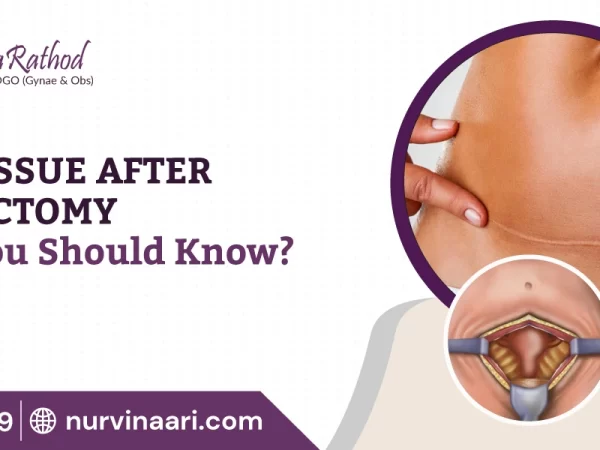
Minimal scarring is one of the biggest benefits of laparoscopic surgery. Unlike the traditional scar that’s 6-14 inches long, a keyhole surgery involves a small hole that’s barely visible.
Reduced Pain
In addition to the incision length, laparoscopic surgery is less painful compared to its traditional counterpart. Smaller incision means less trauma to the surrounding organs, nerves, and tissues, which ultimately results in lesser pain and fewer pain-relief medicines.
Shorter Hospital Stays
Most laparoscopic procedures involve shorter hospital stays. You can expect discharge within 24 hours or 48 hours, depending on the complexity of your surgery. Laparoscopic surgery for appendicitis, gallbladder removal, ovarian cyst removal, and hernia repair requires a short hospital stay (24 hours) in most cases.
Faster Recovery Times
Due to lesser trauma, you can expect a faster recovery after laparoscopic surgery in Thane. Many patients return to work within one to two weeks after surgery.
Lower Risk of Infection
A smaller wound means a lower risk of infection and fewer complications.
Risks and Considerations
Although complications are less likely with laparoscopic surgery, they are possible. Here are a few risks of keyhole surgery:
- Damage to the nerve, blood vessels, and tissues during skin puncture
- Hypothermia from insufflation
- Adhesions
- Infection
- Significant bleeding
Aftercare Tips
Arrange for a ride home and get house help for the first few weeks. Follow your doctor’s instructions for showering. You can take the bandage off in 3-4 days unless your surgeon says otherwise. Here’s what can help with recovery after laparoscopic surgery:
- Avoid lifting heavy objects
- Avoid strenuous activities
- Eat a healthy, balanced diet
- Practice walking
- Stay hydrated
- Clean the wound with plain water
Certain medical issues that do not respond to medication and non-invasive treatment plans may require surgical intervention. Laparoscopic surgery can be a viable option if you want minimal scars and quick recovery.